Acupuncture for Anxiety and Depression: What to Know
Acupuncture may offer modest relief for some people with anxiety and depression, but the research is limited and mostly low quality, so it is best treated as a complement to proven care rather than a replacement. If you are considering acupuncture for anxiety and depression, the useful questions are what the evidence supports, what a session involves, and how to combine it safely with psychotherapy or medication.
This article summarizes the current research, explains where needles are typically placed, outlines safety considerations, and describes how acupuncture can sit alongside therapy.
Does Acupuncture Actually Work for Anxiety?
Acupuncture may help reduce anxiety symptoms for some people, but the evidence is not strong enough to draw firm conclusions. A 2022 review of randomized controlled trials found that acupuncture relieved anxiety symptoms in people with generalized anxiety disorder, though the authors called for more high-quality trials, according to the National Center for Complementary and Integrative Health (NCCIH).
The same agency states that evidence for acupuncture reducing anxiety is limited and generally low quality, so firm conclusions cannot be drawn. In practical terms, that means a promising signal exists, but study design problems make it hard to separate true effects from placebo response and expectation.
For a deeper look at how researchers evaluate these trials, the NCCIH provider review of anxiety research covers study limitations and safety in more detail.
What the Research Says About Depression
For depression, the evidence leans slightly more favorable but carries similar caveats. A 2018 review of studies found that acupuncture may moderately reduce depression severity compared with usual care or no treatment, but most of the studies were low or very low quality, per NCCIH.
Comparisons with established treatments are less clear. NCCIH notes that evidence comparing acupuncture with medication or psychological therapy remains uncertain because the underlying research is low quality.
Here is how the current picture breaks down:
Compared with no treatment or usual care: possible moderate benefit for depression severity, with low-certainty evidence.
Compared with medication or psychotherapy: unknown, because high-quality head-to-head trials are lacking.
As an add-on to standard care: a reasonable question to raise with your clinicians, though it has not been proven to improve outcomes.
How Might Acupuncture Affect Mood?
Researchers have proposed several biological explanations, though none is settled. Proposed mechanisms include changes in neurotransmitter activity, modulation of the body's stress-response system, effects on neuroplasticity, and reduced inflammation. The stress-response idea, for example, holds that needling may shift the balance between the body's "fight or flight" and "rest and digest" states, which could in turn lower the physical tension that feeds anxiety. These ideas come largely from laboratory and animal studies, and they remain hypotheses rather than confirmed explanations in people.
The difficulty for researchers is separating these possible mechanisms from everything else that happens during a session. That is why many trials compare real acupuncture with sham needling, and why results are often modest or inconsistent.
Non-specific factors likely matter too. A quiet room, focused attention, slow breathing, and a practitioner's undivided time can all lower physiological arousal. These elements are not trivial. They overlap with the relaxation and mindfulness skills used in many forms of therapy, which is one reason some people find the experience calming regardless of the mechanism. Expectation also shapes outcomes: a person who believes a treatment will help often reports feeling better, and that response is real even when its cause is psychological rather than needle-specific.
Where Do Acupuncture Needles Go for Anxiety and Depression?
Needle placement varies by practitioner and tradition, but common points for mood-related concerns include the ears, wrists, forearms, scalp, and lower legs. Practitioners choose points based on a pattern assessment, so two people with the same diagnosis may receive different treatments.
Commonly used areas include:
Ear points: small points on the outer ear, often used in ear acupuncture protocols that some medical centers offer for stress and mood symptoms.
Inner wrist and forearm: a frequently used region for calming-focused treatment.
Top of the head and scalp: points often chosen for mental clarity and mood.
Lower leg and foot: points used in many general-purpose treatment plans.
Upper back and torso: sometimes added when tension or sleep problems are part of the picture.
Treatment is usually delivered in a series of sessions rather than one visit. A practitioner will typically take a health history, place thin needles for roughly 20 to 40 minutes, and then remove them. Most people report mild sensations such as heaviness, warmth, or a dull ache at the site. Ask any practitioner to explain their plan before you begin.
Is Acupuncture Safe?
Acupuncture is generally considered safe when performed by an experienced practitioner using sterile needles. NCCIH cautions that improper treatment can cause serious complications, including infection or punctured organs, so the practitioner matters a great deal.
The FDA requires acupuncture needles to be sterile and labeled for single use only, as NCCIH explains. Before booking, consider these checks:
Confirm the practitioner holds a current California license or certification.
Verify that single-use, sterile needles are used for every session.
Tell the practitioner about any bleeding disorders, blood thinners, pacemakers, or pregnancy.
Share your full mental health history, including any current medication.
Minor effects such as small bruises, soreness, or lightheadedness are the most commonly reported. None of this changes the need for a clinician to evaluate persistent or severe symptoms.
Can Acupuncture Replace Therapy or Medication?
No. Given the quality of the current evidence, acupuncture is better viewed as a supportive option than a stand-alone treatment for a diagnosed anxiety or depressive disorder. NCCIH describes the research comparing acupuncture with medication or psychological therapy for depression as uncertain because the studies are low quality. That is a gap in knowledge, not proof of equivalence. A treatment that has not been tested head to head against established care cannot be assumed to match it. Approaches with stronger research support, such as cognitive therapy for depression and EMDR therapy for depression, remain the foundation of care for most people.
In practice, the safer framing is addition rather than substitution. Someone in weekly therapy who also books acupuncture is adding a possible source of relaxation to a plan that already has structure. Someone who drops therapy to try acupuncture alone removes the part of the plan with the best evidence.
Never stop or reduce prescribed medication because you have started acupuncture. Some medications, including many antidepressants, can cause withdrawal symptoms or a return of symptoms when stopped abruptly. Changes to medication should be made only with the prescriber who manages it.
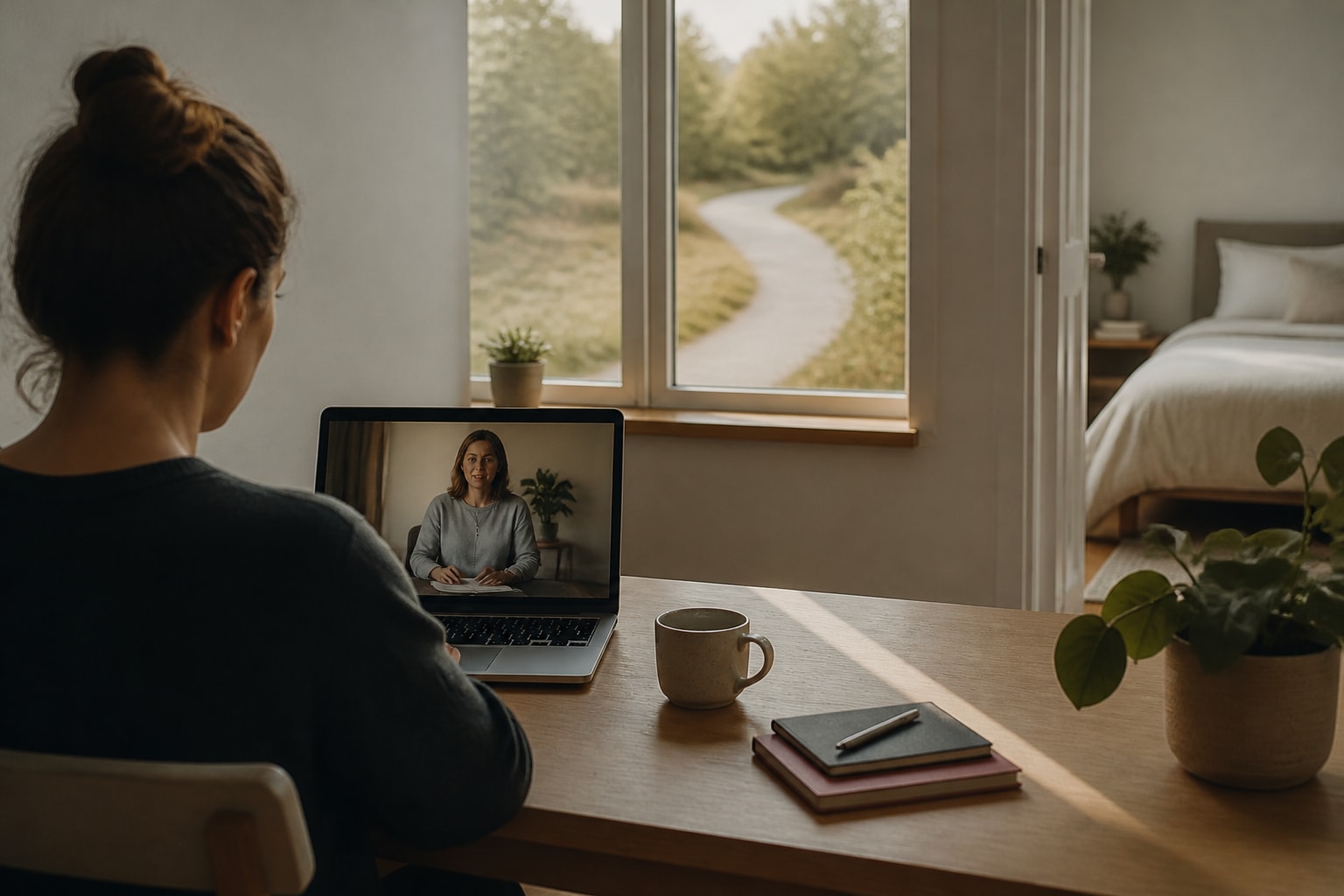
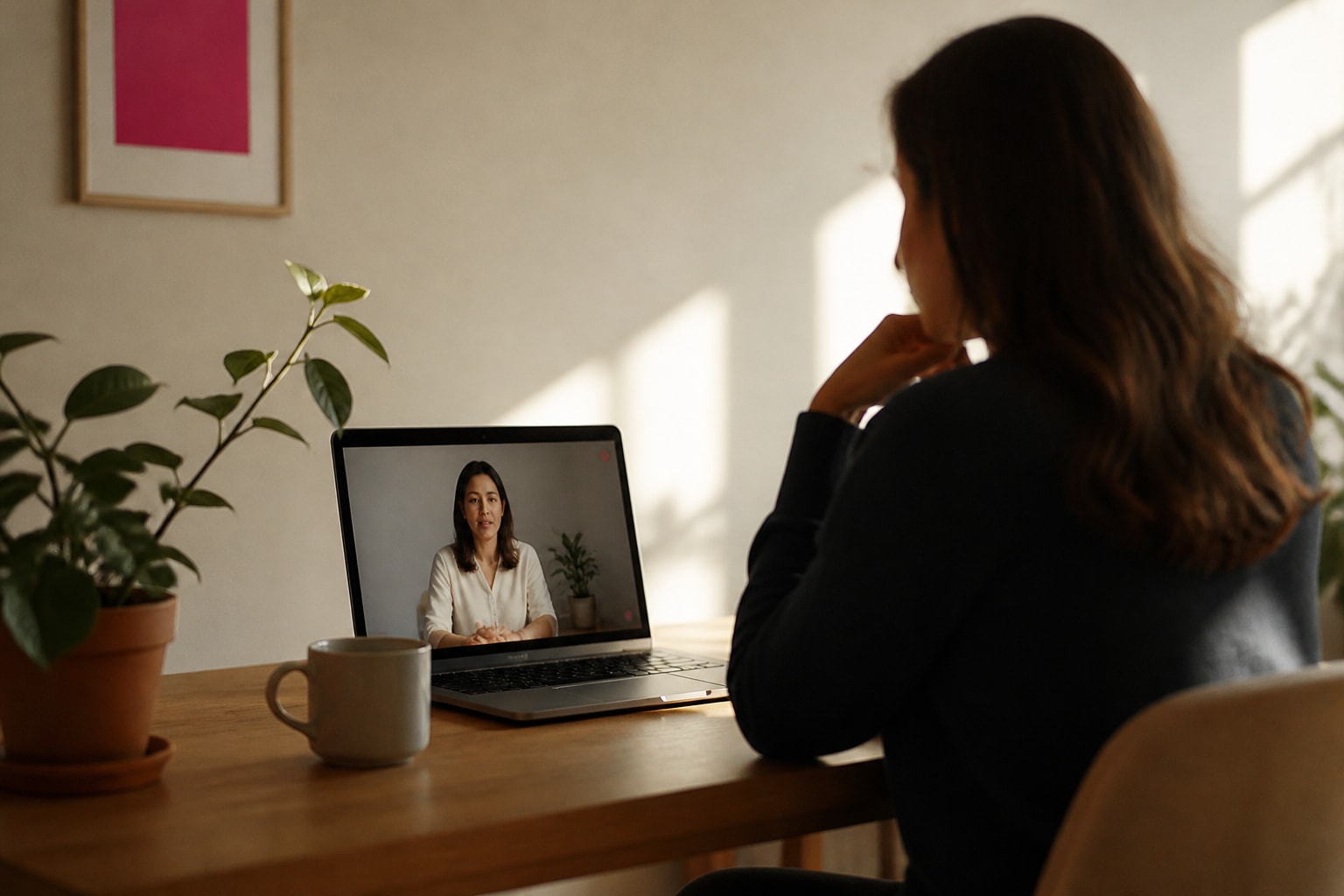
How Acupuncture Fits Alongside Online Therapy
Acupuncture and psychotherapy can work in parallel because they address different layers of the same experience. Needle sessions may help the body settle, while therapy builds the skills and insight that change patterns over time.
For people with trauma histories, this pairing can be especially relevant. Anxiety and depression frequently coexist with trauma responses, and the body often holds tension that talk alone does not reach. Trauma-informed approaches such as EMDR and somatic therapy work directly with those responses. CopeHouse Collective's California clinicians are trained in EMDR, somatic therapy, and other trauma-informed methods, and provide affirming care for LGBTQ+ and queer clients. Sessions are available for individuals, couples, families, children, and groups, and sliding-scale options exist for those who qualify.
If you are exploring options, CopeHouse Collective's free consultation lets you select several therapists, speak with them, and check whether your insurance is in network before committing.
Relationship strain is another reason to involve a therapist early. Depression and anxiety often show up as withdrawal, irritability, or communication breakdowns at home. Couples therapy for depression addresses how a mood disorder affects partners and how both people can respond more effectively.
What Are the Common Signs of Depression and Anxiety?
Depression and anxiety share some features and often occur together, so recognizing the patterns can help you decide when to seek an assessment. Depression commonly involves persistent low mood, loss of interest in usual activities, changes in sleep or appetite, fatigue, difficulty concentrating, and feelings of worthlessness. These changes tend to show up in daily routines: skipping hobbies that once felt rewarding, sleeping far more or far less than usual, or finding that simple tasks like answering email or preparing meals feel overwhelming.
Anxiety more often involves excessive worry that is hard to control, restlessness, muscle tension, a racing heart, irritability, and trouble sleeping. It can also appear physically, as headaches, stomach upset, a tight chest, or trembling, and behaviorally, as avoiding situations that trigger worry or repeatedly seeking reassurance. When anxiety and depression overlap, a person may lie awake with racing thoughts and then wake exhausted and flat, a cycle that reinforces both conditions.
When several of these last for two weeks or more and interfere with work, school, or relationships, a professional evaluation is appropriate. A clinician can also check whether a medical issue, such as a thyroid disorder or a medication side effect, is contributing. If you are having thoughts of harming yourself, contact the 988 Suicide and Crisis Lifeline by calling or texting 988, or go to the nearest emergency room.
How to Evaluate Complementary Options Wisely
A few questions can help you decide whether acupuncture is worth trying. A mental health charity's guide to complementary therapies offers a plain-language overview of how acupuncture is used and the uncertainty around it.
Is a diagnosis in place? A clinician should rule out medical contributors such as thyroid problems or vitamin deficiencies.
Is there a plan for measuring change? Track mood, sleep, and daily functioning for several weeks so you can judge whether it helps.
Is the cost sustainable? Acupuncture is often not covered by insurance, and benefits, if any, may require repeated sessions.
Are your clinicians aware? Your therapist, physician, and acupuncturist should know about one another.
You may also want to compare acupuncture with other natural treatments for anxiety and depression, such as exercise, sleep regulation, and mindfulness, many of which carry stronger evidence and lower cost.
FAQ
How to overcome depression and anxiety naturally?
Regular physical activity, consistent sleep, time outdoors, limited alcohol, and mindfulness practices can all support mood and lower anxiety. These habits work best alongside professional care, especially when symptoms are moderate to severe or last more than a couple of weeks.
How many acupuncture sessions are needed for anxiety or depression?
No standard number has been established, and studies use varied schedules. Many practitioners propose a course of weekly sessions over several weeks, then reassess. Ask for a defined trial period with clear goals so you can decide whether to continue.
Does insurance cover acupuncture for mental health?
Coverage varies widely by plan and often excludes acupuncture for mental health conditions. Contact your insurer to ask about benefits and any referral requirements before scheduling.
If you are weighing acupuncture, a practical next step is to write down your symptoms, how long they have lasted, and what you have already tried, then bring that list to a licensed clinician. CopeHouse Collective's California therapists offer trauma-informed, LGBTQ+-affirming online care, are in network with most insurance companies, and provide sliding-scale sessions. You can start by using the free consultation to meet more than one therapist and see who fits best. When you are ready to talk with someone, CopeHouse Collective makes it simple to get started with an online therapist who fits your needs.

Comments