Best Light for Seasonal Depression: 2026 Expert Guide
As the days grow shorter and winter approaches, millions of Americans experience a predictable shift in mood and energy. Seasonal affective disorder (SAD) affects approximately 5% of adults in the United States, with symptoms ranging from persistent low mood to changes in sleep and appetite. While psychotherapy and medication remain cornerstone treatments, light therapy has emerged as a powerful, evidence-based intervention. Understanding the best light for seasonal depression requires examining the science behind phototherapy, device specifications, and practical implementation strategies that can make a real difference in daily functioning.
Understanding Seasonal Depression and Light Therapy
Seasonal affective disorder represents a specific subtype of major depression that follows a predictable seasonal pattern, typically worsening during fall and winter months. The National Institute of Mental Health identifies SAD as a condition characterized by depressive episodes that recur annually, often linked to reduced sunlight exposure and disrupted circadian rhythms.
Light therapy works by compensating for decreased natural light during darker months. When bright light enters the eyes, it triggers neurochemical changes that regulate mood, sleep-wake cycles, and energy levels. Research suggests that light therapy influences serotonin activity and suppresses melatonin production during waking hours, helping to realign disrupted biological rhythms.
The Science Behind Effective Light Therapy
The effectiveness of light therapy depends on several measurable factors. Light intensity, measured in lux, determines the therapeutic dose received during each session. Wavelength affects which photoreceptors are activated in the retina. Duration and timing influence how well the treatment synchronizes internal biological clocks.
A recent network meta-analysis published in PubMed Central compared various visible-light treatments for SAD, providing valuable insights into which characteristics produce the strongest clinical responses. The evidence consistently points to specific parameters that optimize outcomes.
Key Features of the Best Light for Seasonal Depression
Selecting an appropriate light therapy device requires understanding the technical specifications that drive therapeutic benefit. Not all bright lights are created equal, and consumer products marketed for general use may lack the characteristics needed for clinical effect.
Light Intensity and Lux Levels
Standard therapeutic light boxes deliver 10,000 lux at a specified distance, typically 16-24 inches from the user. This intensity level has been validated in multiple clinical trials as effective for treating seasonal depression. Lower-intensity devices (2,500 lux) can also work but require longer exposure times to achieve equivalent therapeutic doses.
Light Intensity | Recommended Duration | Distance from User |
10,000 lux | 20-30 minutes | 16-24 inches |
5,000 lux | 40-60 minutes | 12-18 inches |
2,500 lux | 90-120 minutes | 12-16 inches |
The Sleep Foundation's comprehensive guide to light therapy emphasizes that higher intensity allows for shorter treatment sessions, making therapy more practical for busy schedules. Finding the best light for seasonal depression often means balancing intensity with convenience.
Wavelength and Color Temperature
Full-spectrum white light remains the gold standard for seasonal depression treatment. While blue-enriched light has shown promise in some studies due to its effects on melanopsin-containing retinal cells, the strongest evidence base supports broad-spectrum white light.
UV filtration is essential. Therapeutic light boxes should filter out ultraviolet radiation to prevent skin and eye damage while delivering visible wavelengths that affect mood and circadian regulation. Quality devices include proper UV shields as a safety feature.
Device Design and Positioning
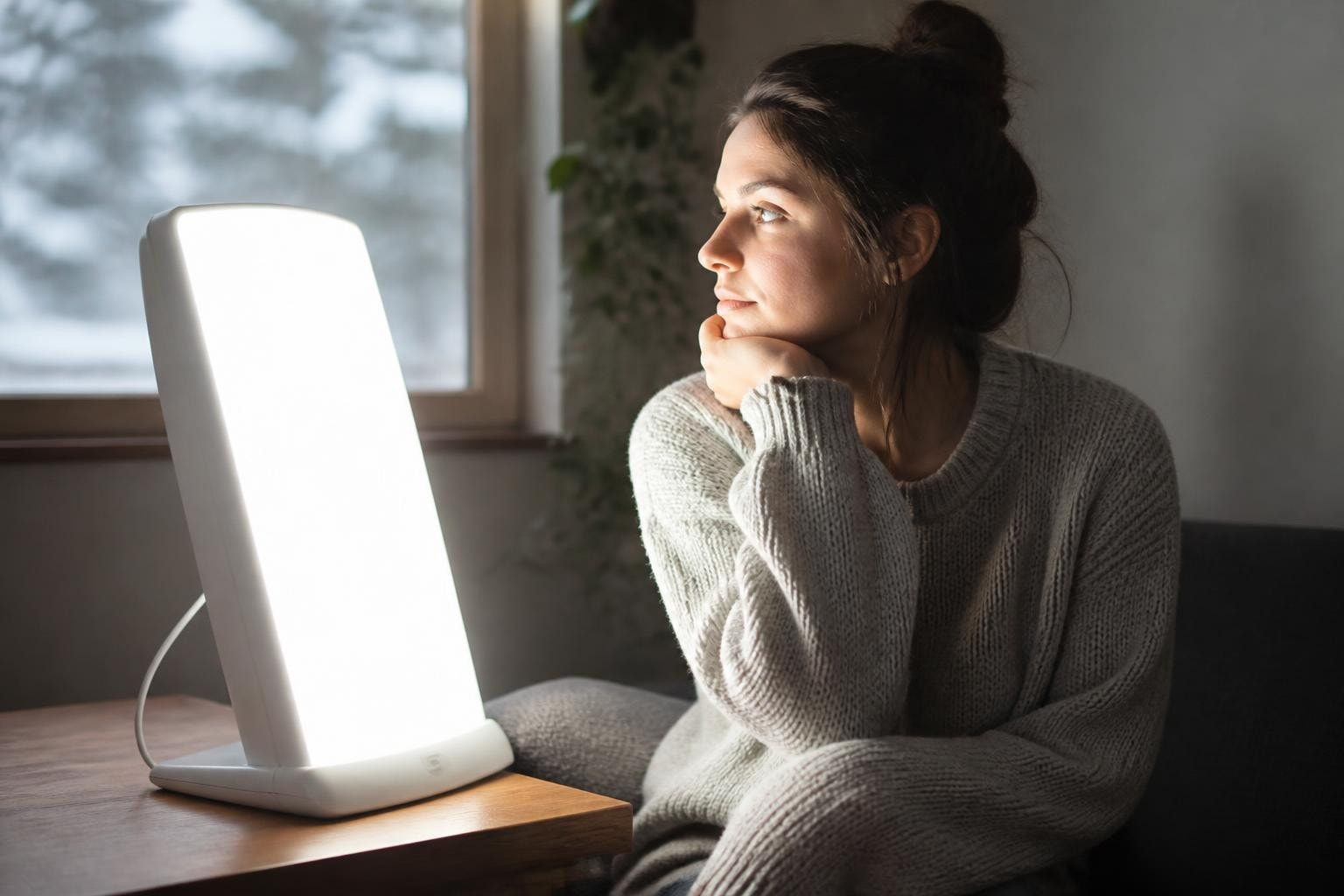
The best light for seasonal depression features a large illuminated surface area, typically 12x18 inches or larger. Larger surfaces make it easier to maintain proper positioning while reading, eating breakfast, or working at a desk.
Downward angle: Positioning the light above eye level and angled downward mimics natural outdoor light and reduces glare
Stable base: Prevents tipping during use
Adjustable height: Accommodates different seating positions and user heights
Flicker-free design: Reduces eye strain during extended sessions
Evidence-Based Usage Guidelines
Owning the right device is only the first step. Proper implementation determines whether light therapy delivers meaningful clinical benefit for seasonal depression.
Optimal Timing for Light Exposure
Morning use produces the strongest circadian effects. Most people with seasonal depression benefit from light therapy within 30-60 minutes of waking, ideally before 9:00 AM. This timing helps suppress morning melatonin, advance circadian phase, and boost alertness when it's most needed.
Harvard Health Publishing's overview of light therapy notes that some individuals respond better to evening light exposure, particularly those who experience delayed sleep phase. Working with a mental health professional can help determine personalized timing.
Session Duration and Consistency
Standard protocols recommend 20-30 minutes daily at 10,000 lux. Consistency matters more than occasional extended sessions. Most people notice initial improvements within 3-7 days, with full therapeutic effects developing over 2-4 weeks.
Key implementation strategies include:
Use the light therapy device at the same time each morning
Sit at the recommended distance (check manufacturer specifications)
Keep eyes open but avoid staring directly at the light
Engage in normal activities like reading, eating, or working during sessions
Continue treatment throughout the winter season, not just during symptomatic periods
Many individuals combine light therapy with other evidence-based approaches. For comprehensive support, exploring natural therapy options for depression alongside phototherapy can provide a multi-faceted treatment strategy.
Selecting Quality Devices in 2026
The market for light therapy devices has expanded significantly, with products ranging from medical-grade light boxes to dawn simulators and wearable devices. Understanding quality markers helps identify the best light for seasonal depression among numerous options.
Medical-Grade Certification
Look for devices that meet safety standards set by regulatory bodies. In the United States, therapeutic light boxes are classified as wellness devices rather than medical devices, but reputable manufacturers often pursue voluntary certifications or clinical testing.
Quality indicators include:
Clinical trial data supporting the specific device model
UV filtration certification
Accurate lux output measurements verified by independent testing
Compliance with electrical safety standards
Manufacturer transparency about specifications
Feature Comparison Table
Feature | Essential | Beneficial | Optional |
10,000 lux output | ✓ | ||
UV filtering | ✓ | ||
Large surface area | ✓ | ||
Adjustable stand | ✓ | ||
Timer function | ✓ | ||
Dimming options | ✓ | ||
Portability | ✓ | ||
Color temperature adjustment | ✓ |
Price and Value Considerations
Quality light therapy boxes typically range from $80 to $300. While premium features like smartphone connectivity or aesthetic design may increase cost, the core therapeutic function depends on light intensity, spectrum, and build quality rather than advanced features.
Budget-conscious strategies include:
Checking if insurance covers light therapy devices (some HSA/FSA accounts allow these purchases)
Comparing lux-per-dollar ratios across models
Reading verified user reviews from people using devices for SAD specifically
Considering durability and warranty coverage for long-term value
Integrating Light Therapy with Comprehensive Care
Light therapy works most effectively as part of a broader treatment approach for seasonal depression. While the best light for seasonal depression can significantly improve symptoms, combining phototherapy with psychotherapy and lifestyle modifications often produces superior outcomes.
Complementary Treatment Approaches
Cognitive-behavioral therapy specifically adapted for SAD (CBT-SAD) addresses the thought patterns and behaviors that maintain seasonal depression. This approach helps develop coping strategies that remain effective even after light therapy is discontinued in spring.
Working with a therapist who understands seasonal patterns can personalize treatment to individual needs. If you're seeking professional support, scheduling a consultation can help determine whether light therapy fits into your overall treatment plan.
Booking a free consultation allows you to discuss light therapy integration with experienced clinicians who can provide guidance tailored to your specific symptoms and lifestyle. Many therapy clients find that combining professional support with evidence-based self-care strategies like phototherapy creates lasting improvement.
Lifestyle Factors That Enhance Light Therapy
Physical activity amplifies light therapy benefits. Research indicates that outdoor morning walks, even on cloudy days, provide additional light exposure while delivering mood-boosting effects through exercise. When combined with indoor light therapy sessions, this dual approach can accelerate symptom improvement.
Sleep hygiene supports circadian regulation. Maintaining consistent sleep-wake times, limiting evening screen exposure, and creating dark sleeping environments enhance the circadian effects of morning light therapy.
Nutrition also plays a supporting role. The carbohydrate cravings common in seasonal depression can be managed through balanced meals that stabilize blood sugar, reducing the energy crashes that worsen depressive symptoms.
Special Considerations and Safety
While light therapy is generally safe and well-tolerated, certain populations should take additional precautions or consult healthcare providers before starting treatment.
When to Consult a Healthcare Provider
Individuals with bipolar disorder require careful monitoring during light therapy, as bright light exposure can potentially trigger manic or hypomanic episodes. Medical supervision ensures appropriate timing and intensity while watching for mood elevation.
Eye conditions requiring consultation include:
Retinal diseases or damage
Glaucoma
Cataracts
Medications that increase photosensitivity (certain antibiotics, anti-inflammatories, or herbal supplements like St. John's Wort)
The NHS guidance on seasonal affective disorder recommends discussing light therapy with a healthcare provider if you have underlying health conditions or take medications that could interact with bright light exposure.
Common Side Effects and Management
Most side effects are mild and temporary, resolving within a few days as the body adjusts to treatment.
Potential side effects include:
Headaches (often resolved by reducing session duration or increasing distance from light)
Eye strain (ensure proper positioning and avoid direct gaze at the light source)
Nausea (using light therapy after eating rather than on an empty stomach may help)
Agitation or hyperactivity (reducing intensity or session duration, or switching to evening use)
Starting with shorter sessions (10-15 minutes) and gradually increasing to full therapeutic duration can minimize initial side effects while allowing the body to adapt.
Alternative and Emerging Light-Based Therapies
Beyond traditional light boxes, several alternative delivery methods have emerged in recent years. Understanding their evidence base helps make informed decisions about which approach offers the best light for seasonal depression in different circumstances.
Dawn Simulation Devices
Dawn simulators gradually increase bedroom light over 30-90 minutes before wake time, mimicking natural sunrise. While less studied than bright light therapy, Cochrane evidence on light therapy for winter depression prevention suggests dawn simulation may offer modest benefits, particularly for individuals who struggle with morning light therapy compliance.
These devices work best when combined with consistent wake times and may be particularly helpful for people with delayed sleep phase patterns.
Light Therapy Glasses and Wearables
Portable light therapy devices worn like glasses deliver light directly to the retina while allowing mobility. Early research suggests these devices can provide adequate light exposure, though the evidence base remains smaller than for traditional light boxes.
Advantages of wearable devices:
Allow movement during treatment sessions
Easier to use during commutes or travel
Maintain consistent eye-to-light distance automatically
Limitations include:
Higher cost per lux delivered
Smaller illuminated area may require longer sessions
Less extensive clinical validation compared to light boxes
Blue Light Therapy
Devices delivering primarily blue wavelengths (around 470 nm) target melanopsin-containing retinal cells that strongly influence circadian rhythms. Some research indicates blue light may work at lower intensities than broad-spectrum white light, but clinical guidelines from the VA/DoD note that more research is needed before blue light can be considered equivalent to standard white light therapy.
Maximizing Long-Term Benefits
Achieving sustained improvement from light therapy requires thinking beyond acute symptom relief to prevention and long-term wellness strategies.
Preventive Use Strategies
Starting light therapy in early fall, before depressive symptoms fully develop, may prevent or reduce the severity of seasonal episodes. This preventive approach works particularly well for people with reliable seasonal patterns who can anticipate symptom onset.
Preventive protocol recommendations:
Begin daily sessions in late September or early October (adjust based on geographic latitude)
Continue throughout winter months, typically through March or April
Taper gradually in spring rather than stopping abruptly
Monitor mood and energy levels to identify optimal start and stop dates for individual patterns
Tracking Response and Adjusting Treatment
Keeping a simple mood log helps identify whether light therapy is working and guides adjustments to timing or duration. Many people find that tracking sleep quality, energy levels, and mood on a 1-10 scale takes just minutes daily but provides valuable data.
If symptoms don't improve after 3-4 weeks of consistent light therapy, consider:
Adjusting the timing of sessions (trying earlier morning or evening use)
Increasing session duration or light intensity
Evaluating whether the device delivers adequate lux at your sitting distance
Consulting with a mental health professional about additional treatment approaches
Combining light therapy with psychotherapy often provides the most robust long-term outcomes. Resources like therapy centers for depression can connect you with specialized care that addresses both biological and psychological aspects of seasonal mood changes.
Environmental and Lifestyle Optimization
Beyond the light therapy device itself, environmental modifications can enhance overall light exposure and support circadian health throughout winter months.
Indoor Environment Modifications
Maximizing natural light indoors:
Position desks and seating near windows
Use mirrors to reflect available daylight deeper into rooms
Choose light-colored walls and furnishings that reflect rather than absorb light
Keep windows clean to maximize light transmission
Trim outdoor vegetation that blocks window light
Outdoor Light Exposure
Even on overcast winter days, outdoor light levels typically exceed 1,000 lux-significantly higher than indoor lighting. A 30-minute outdoor walk at midday can provide valuable light exposure that complements morning light therapy sessions.
Winter outdoor activities that maximize light exposure include:
Morning walks or jogs in open areas (parks, beaches, or fields without tree cover)
Outdoor dining or coffee breaks during peak daylight hours
Weekend outdoor recreation like hiking, skiing, or snowshoeing
Clearing snow from walkways or doing yard work during midday
Making an Informed Decision
Choosing the best light for seasonal depression ultimately depends on individual circumstances, preferences, and how well a device fits into daily routines. The most effective light therapy device is one that gets used consistently throughout the winter season.
Priority factors for decision-making:
Evidence-based specifications: 10,000 lux output, UV filtering, and adequate surface area
Practical usability: Size and design that fits your morning routine and available space
Quality construction: Durable materials and reliable performance over multiple seasons
Value alignment: Cost that fits your budget while meeting core therapeutic requirements
Reading user reviews from people specifically using devices for seasonal depression provides practical insights beyond technical specifications. Look for feedback on durability, ease of use, and actual symptom improvement rather than just aesthetic or convenience features.
For those exploring comprehensive treatment approaches, understanding holistic treatment options for anxiety and depression can provide additional context for integrating light therapy into broader wellness strategies.
The journey toward managing seasonal depression effectively involves finding the right combination of tools, professional support, and lifestyle strategies. Light therapy represents a powerful, evidence-based option that has helped countless individuals reclaim their energy, mood, and quality of life during winter months. By selecting appropriate devices, implementing them correctly, and combining phototherapy with other effective treatments, the burden of seasonal depression can be significantly reduced.
Managing seasonal depression requires a multifaceted approach, and finding the best light for seasonal depression is just one piece of the puzzle. While light therapy offers powerful relief for many people, combining it with professional mental health support creates the strongest foundation for lasting wellness. CopeHouse Collective provides accessible online psychotherapy services tailored to individuals, couples, and families dealing with seasonal depression and other mental health challenges. Our California-based therapists work with most insurance providers and offer sliding-scale options to ensure you get the support you need throughout the year.


Comments