Seasonal Affective Disorder Light: Therapy Options
As winter days grow shorter and sunlight becomes scarce, millions of people experience more than just the typical winter blues. Seasonal affective disorder affects approximately 5% of adults in the United States, with symptoms ranging from persistent low mood to significant disruptions in daily functioning. One of the most researched and effective interventions for this condition involves the therapeutic use of bright artificial light, commonly known as seasonal affective disorder light therapy. This evidence-based treatment has transformed how mental health professionals approach winter-onset depression, offering relief without the side effects often associated with pharmaceutical interventions.
Understanding Seasonal Affective Disorder and Light Therapy
Seasonal affective disorder (SAD) is a subtype of major depressive disorder characterized by recurrent depressive episodes that follow a seasonal pattern, typically beginning in fall and continuing through winter months. The condition stems from reduced exposure to natural sunlight, which disrupts the body's internal clock and affects neurotransmitter production, particularly serotonin and melatonin.
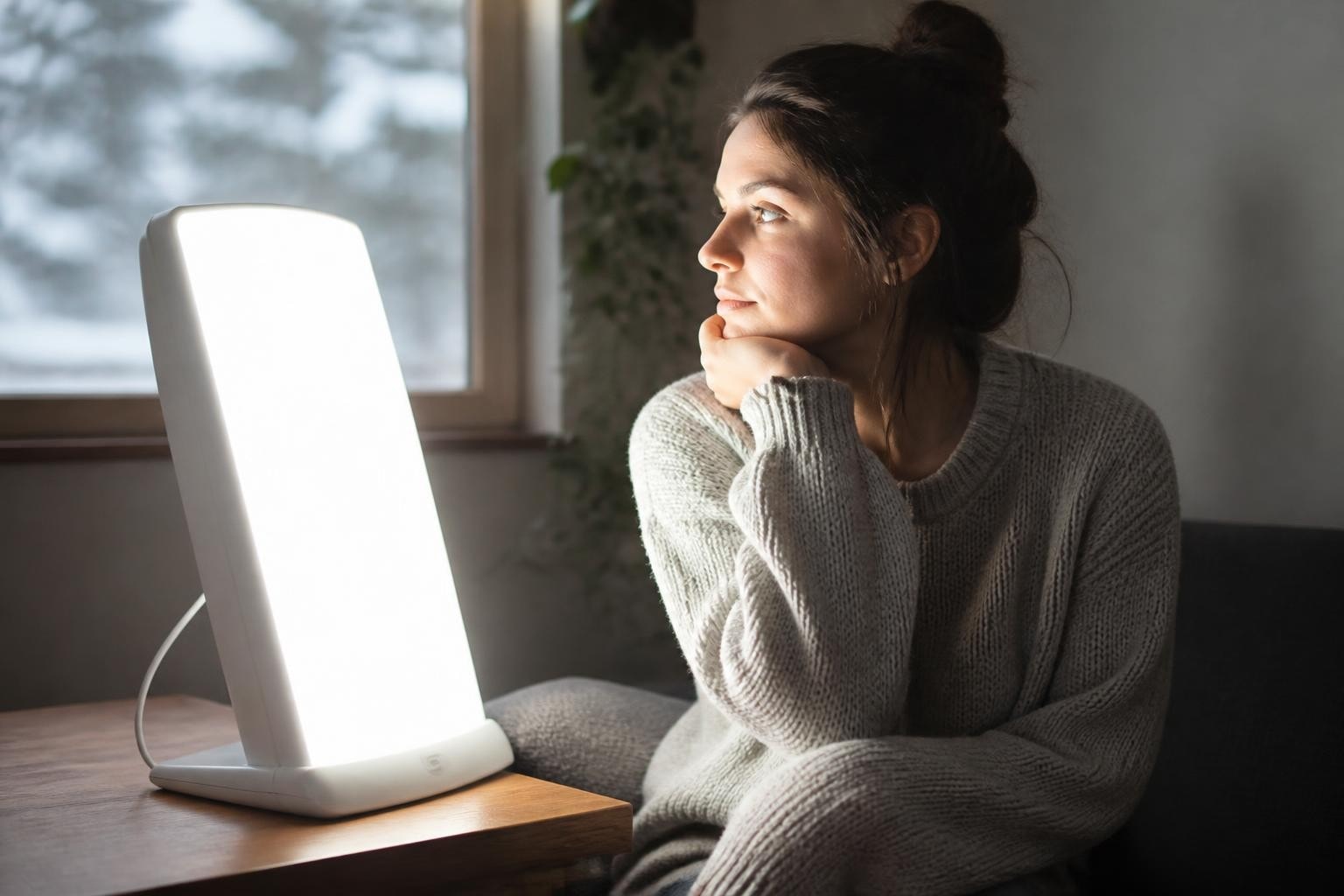
Light therapy works by compensating for this deficit in natural light exposure. When individuals use a seasonal affective disorder light device, the bright artificial light enters through the eyes and stimulates the retina, which sends signals to the brain's hypothalamus. This region controls circadian rhythms, mood, sleep patterns, and appetite-all functions commonly disrupted in people with SAD.
The Science Behind Light Intensity
Not all light sources provide therapeutic benefits for seasonal affective disorder. Research shows that specific parameters must be met for effective treatment:
Intensity: Therapeutic devices typically emit 10,000 lux at a comfortable sitting distance
Spectrum: Full-spectrum white light that mimics natural daylight
UV filtration: Quality devices filter out harmful ultraviolet rays
Positioning: Light should enter the eyes indirectly, not through direct staring
According to Harvard Health's comprehensive overview, light therapy can alleviate SAD symptoms in approximately 60-80% of cases when used consistently. This success rate rivals that of antidepressant medications, making it a valuable first-line treatment option.
Types of Seasonal Affective Disorder Light Devices
The market offers various seasonal affective disorder light products, each designed to fit different lifestyles and preferences. Understanding these options helps individuals select the most appropriate device for their specific needs.
Light Therapy Boxes
Traditional light therapy boxes remain the gold standard for SAD treatment. These devices feature a large illuminated panel that provides broad coverage of therapeutic light.
Feature | Standard Box | Compact Box | Desktop Model |
Lux Output | 10,000 | 10,000 | 7,000-10,000 |
Treatment Time | 20-30 min | 20-30 min | 30-45 min |
Portability | Low | High | Medium |
Best For | Home use | Travel | Office work |
Dawn Simulators
Dawn simulation devices gradually increase light intensity in the bedroom, mimicking natural sunrise. These programmable lamps begin with dim red or orange light and progress to brighter white light over 30-90 minutes before the set wake time.
Benefits include:
Gentler wake-up experience compared to alarm clocks
Improved sleep quality and easier morning transitions
Reduced grogginess upon waking
Complementary to traditional light therapy boxes
Light Therapy Lamps
Smaller therapeutic lamps offer flexibility for individuals who need treatment options at work or during activities. While these devices may require longer exposure times due to lower lux output, they integrate more seamlessly into daily routines.
Selecting an Effective Seasonal Affective Disorder Light
Choosing the right seasonal affective disorder light device requires careful consideration of several critical factors. The National Center for Complementary and Integrative Health emphasizes the importance of using properly designed equipment for optimal results.
Essential Features to Consider
Light Intensity and Distance: Verify that the device provides 10,000 lux at the manufacturer's recommended distance. Some products advertise high lux ratings but only achieve them at uncomfortably close ranges.
Size and Coverage: Larger light surfaces allow for more natural positioning and don't require users to remain perfectly still during treatment. A minimum surface area of 12 by 18 inches provides adequate coverage for most individuals.
UV Filtration: Quality devices include filters that block potentially harmful ultraviolet radiation while maintaining therapeutic effectiveness. This feature protects eyes and skin during regular use.
Color Temperature: Look for devices that emit white light with a color temperature between 5,000 and 6,500 Kelvin, which closely approximates natural daylight.
Certification and Safety Standards
Reputable manufacturers submit their products for independent testing and certification. Seek devices that meet standards set by organizations such as:
Underwriters Laboratories (UL) for electrical safety
Center for Environmental Therapeutics for clinical efficacy
FDA registration as a medical device (Class II)
Implementing Light Therapy in Daily Routines
The effectiveness of seasonal affective disorder light therapy depends significantly on consistent, proper use. Establishing a sustainable routine maximizes therapeutic benefits while minimizing potential side effects.
Optimal Timing and Duration
Most research supports morning light therapy sessions, ideally within the first hour after waking. This timing helps:
Reset circadian rhythms disrupted by seasonal changes
Suppress melatonin production that causes morning grogginess
Boost daytime energy and alertness
Improve nighttime sleep quality
Standard treatment protocols recommend 20-30 minutes daily with a 10,000 lux device. Individuals using lower-intensity lamps may need 45-60 minutes to achieve comparable results. A 2016 meta-analysis confirmed that consistent morning exposure produces the most significant improvements in SAD symptoms.
Positioning and Engagement
Position the seasonal affective disorder light device at approximately eye level, angled slightly downward. Users should sit 16-24 inches away, depending on the specific product recommendations. The light must enter the eyes indirectly-direct staring is unnecessary and potentially uncomfortable.
During treatment sessions, individuals can:
Eat breakfast while reading news or checking emails
Apply makeup or complete morning grooming routines
Work on laptop or tablet tasks
Engage in meditation or journaling
Have conversations with family members
Combining Light Therapy with Professional Support
While seasonal affective disorder light devices offer substantial benefits, they work most effectively as part of a comprehensive treatment approach. Many individuals find that combining light therapy with professional mental health support produces the best outcomes.
At CopeHouse Collective, therapists integrate evidence-based treatments like cognitive behavioral therapy with lifestyle modifications including light therapy recommendations. The practice's online format makes it particularly accessible for individuals experiencing SAD symptoms that make leaving home challenging during winter months. If you're struggling with seasonal mood changes, speaking with a qualified therapist can help you develop a personalized treatment plan that addresses your specific symptoms and circumstances.
Therapeutic Interventions That Complement Light Therapy
Cognitive Behavioral Therapy for SAD (CBT-SAD): This specialized approach helps individuals identify and modify negative thought patterns associated with seasonal depression. Therapists work with clients to develop coping strategies specific to winter challenges.
Medication Management: Some individuals benefit from combining light therapy with antidepressant medications, particularly selective serotonin reuptake inhibitors (SSRIs). This combination approach may suit those with severe symptoms or incomplete response to either treatment alone.
Lifestyle Modifications: Professional guidance helps individuals implement complementary strategies such as:
Regular exercise, particularly outdoor activities during daylight hours
Sleep hygiene improvements and consistent sleep-wake schedules
Nutritional adjustments to support mood regulation
Social engagement despite reduced motivation
The therapy for depression resources available through comprehensive mental health practices provide structured support for implementing these multifaceted approaches.
Monitoring Progress and Adjusting Treatment
Tracking symptom changes helps individuals and their healthcare providers assess seasonal affective disorder light therapy effectiveness and make necessary adjustments. Systematic monitoring also identifies when additional interventions may be beneficial.
Symptoms to Track
Symptom Category | Specific Indicators | Frequency of Assessment |
Mood | Depression severity, irritability, anxiety | Daily or weekly |
Energy | Fatigue levels, motivation, productivity | Daily |
Sleep | Quality, duration, difficulty waking | Daily |
Appetite | Cravings, overeating, weight changes | Weekly |
Social Function | Isolation, relationship quality | Weekly |
When to Seek Additional Support
Light therapy typically produces noticeable improvements within one to two weeks of consistent use. However, certain situations warrant professional consultation:
No improvement after four weeks of proper light therapy use
Worsening symptoms despite treatment adherence
Emergence of manic symptoms or excessive energy (possible bipolar disorder)
Suicidal thoughts or severe functional impairment
Eye discomfort or headaches that persist beyond initial adjustment
The team of experienced therapists at mental health practices specializing in mood disorders can provide comprehensive evaluations and recommend appropriate treatment modifications.
Safety Considerations and Side Effects
Seasonal affective disorder light therapy is generally safe for most individuals when used as directed. Understanding potential side effects and contraindications ensures responsible use of these therapeutic devices.
Common Temporary Side Effects
Most users tolerate light therapy well, though some experience mild, transient effects during the initial week:
Eye strain or dryness (usually resolves with proper positioning)
Headaches (often related to session duration or intensity)
Nausea (typically subsides after several sessions)
Agitation or hyperactivity (may indicate excessive exposure)
These effects usually diminish as the body adjusts to treatment. Reducing session duration or increasing distance from the device often alleviates discomfort.
Contraindications and Precautions
Certain individuals should consult healthcare providers before beginning light therapy:
People with bipolar disorder (light therapy may trigger manic episodes)
Individuals taking photosensitizing medications
Those with retinal conditions or eye diseases
People with lupus or other light-sensitive conditions
Additionally, the National Center for Complementary and Integrative Health's research summary notes that pregnant women should discuss light therapy with their obstetrician, though current evidence suggests it poses minimal risk.
Economic and Practical Considerations
Investing in a seasonal affective disorder light device represents a significant but potentially cost-effective long-term approach to managing winter depression. Understanding the financial and practical aspects helps individuals make informed decisions.
Cost Analysis
Expense Category | One-Time Cost | Annual Cost | 5-Year Total |
Quality Light Box | $100-$300 | Minimal energy | $100-$320 |
Replacement Bulbs | N/A | $0-$30 | $0-$150 |
Prescription Medications | N/A | $120-$1,200+ | $600-$6,000+ |
Therapy Sessions | N/A | $1,000-$5,000+ | $5,000-$25,000+ |
While light therapy devices require upfront investment, they often prove more economical than ongoing medication or therapy costs. Many individuals combine a one-time device purchase with periodic professional support rather than weekly therapy sessions, creating a balanced, affordable approach.
Insurance Coverage
Some health insurance plans cover seasonal affective disorder light devices when prescribed by a healthcare provider for diagnosed SAD. Coverage varies by:
Individual policy terms and mental health benefits
Provider network requirements
Documentation of medical necessity
Deductible and copayment structures
Patients should verify coverage details with their insurance company before purchasing. The practice of working with in-network therapists can facilitate insurance authorization processes and provide necessary documentation.
Emerging Research and Future Directions
The field of seasonal affective disorder light therapy continues evolving with new research examining optimal protocols, individual variations in response, and innovative delivery methods. Recent studies provide valuable insights into maximizing treatment effectiveness.
Personalized Treatment Protocols
A 2024 study on seasonal variations in depression examined how individual differences in weather sensitivity, physical activity levels, and baseline depression severity influence treatment response. This research suggests that personalized light therapy protocols-adjusting intensity, duration, and timing based on individual characteristics-may improve outcomes beyond standardized approaches.
Technology Integration
Modern seasonal affective disorder light devices increasingly incorporate smart technology features:
Programmable timers that gradually increase intensity
Mobile apps for tracking usage and symptom changes
Integration with smart home systems for automated routines
Adjustable color temperatures for different times of day
These innovations enhance adherence by making treatment more convenient and user-friendly.
Combination Approaches
Research continues exploring optimal combinations of light therapy with other interventions. Studies examining light therapy alongside vitamin D supplementation, omega-3 fatty acids, and specific psychotherapy protocols show promise for enhancing overall effectiveness.
Practical Tips for Maximizing Results
Successful seasonal affective disorder light therapy extends beyond simply purchasing and using a device. These evidence-based strategies help individuals optimize their treatment experience:
Start Early: Begin light therapy in early fall before symptoms fully develop. Preventive use often proves more effective than waiting until deep winter depression sets in.
Maintain Consistency: Daily use produces better results than sporadic sessions, even when symptoms improve. Continue treatment throughout the winter months to maintain benefits.
Create a Pleasant Environment: Establish a comfortable treatment space with enjoyable activities. This positive association encourages adherence to the daily routine.
Adjust Gradually: If experiencing side effects, reduce session duration or increase distance rather than discontinuing treatment entirely. Gradual adaptation often resolves initial discomfort.
Combine with Natural Light: Maximize exposure to natural daylight by opening blinds, sitting near windows, and taking outdoor walks when possible. Natural and artificial light work synergistically.
Track Your Progress: Use a simple mood journal or app to document daily symptoms, energy levels, and treatment adherence. This data helps identify patterns and assess effectiveness objectively.
Supporting Family Members with SAD
When loved ones struggle with seasonal affective disorder, family members play a crucial role in supporting treatment adherence and recovery. Understanding the condition and encouraging consistent light therapy use makes a significant difference.
Family support strategies include:
Recognizing that SAD is a legitimate medical condition, not laziness or negativity
Helping establish and maintain daily light therapy routines
Participating in activities that encourage treatment adherence
Monitoring for worsening symptoms that may require professional intervention
Learning about the condition through reliable resources
Families working with therapists at practices like CopeHouse Collective gain valuable education about seasonal mood disorders and develop communication strategies that support recovery without enabling avoidance behaviors.
Alternative and Complementary Approaches
While seasonal affective disorder light therapy serves as a primary evidence-based intervention, several complementary approaches may enhance overall treatment outcomes when used alongside therapeutic light exposure.
Exercise and Movement
Regular physical activity demonstrates antidepressant effects comparable to medication for mild to moderate depression. Winter exercise strategies include:
Indoor activities like yoga, dance, or gym workouts
Outdoor activities during daylight hours when possible
Morning exercise timed with light therapy sessions
Group fitness classes for social connection
Nutritional Considerations
Seasonal affective disorder often triggers carbohydrate cravings and changes in eating patterns. Nutritional strategies supporting mood regulation include:
Balanced protein intake to support neurotransmitter production
Complex carbohydrates for sustained energy
Omega-3 fatty acids from fish or supplements
Vitamin D supplementation when recommended by healthcare providers
Mindfulness and Stress Reduction
Practices that reduce stress and promote present-moment awareness complement light therapy by addressing psychological aspects of SAD:
Meditation and deep breathing exercises
Progressive muscle relaxation
Gratitude journaling focused on winter positives
Creative activities that provide engagement and purpose
Seasonal affective disorder light therapy offers a scientifically validated, accessible approach to managing winter depression that works effectively for most individuals when used consistently and correctly. While light therapy devices provide significant benefits, combining this treatment with professional mental health support, lifestyle modifications, and family involvement creates the most comprehensive path to symptom relief. If you're experiencing seasonal mood changes that interfere with your daily life, CopeHouse Collective offers online therapy services throughout California, with experienced therapists who understand seasonal depression and can help you develop a personalized treatment plan that may include light therapy recommendations alongside evidence-based psychotherapy approaches.


Comments