Light Therapy for Anxiety and Depression: A Guide
Mental health professionals have increasingly recognized light exposure as a powerful tool for managing mood and anxiety symptoms. While many people associate light therapy exclusively with seasonal affective disorder, emerging research demonstrates its effectiveness for a broader range of mental health conditions. Light therapy for anxiety and depression offers a non-invasive, evidence-based approach that works by regulating circadian rhythms and influencing neurotransmitter production. Understanding how this treatment works, who benefits most, and how to implement it safely can help individuals make informed decisions about incorporating light therapy into their mental health care plan.
Understanding the Science Behind Light Therapy
Light therapy operates through multiple biological pathways that directly affect mood regulation and anxiety responses. When specialized photoreceptors in the retina detect bright light, they send signals to the suprachiasmatic nucleus in the hypothalamus, the brain's master circadian clock. This process initiates a cascade of hormonal and neurotransmitter changes that influence mood, energy levels, and emotional regulation.
Research shows that bright light therapy works through several mechanisms including suppression of melatonin during daytime hours, enhancement of serotonin production, and synchronization of circadian rhythms. These biological changes help explain why light therapy for anxiety and depression produces measurable improvements in symptoms for many individuals.
Circadian Rhythm Regulation
The body's internal clock governs far more than sleep patterns. Circadian disruption contributes significantly to both anxiety and depressive symptoms, creating a cycle where poor sleep quality exacerbates mental health challenges.
Key circadian effects of light therapy include:
Stabilization of sleep-wake cycles that reduce next-day anxiety
Improved sleep quality leading to better emotional regulation
Enhanced cortisol rhythm normalization for stress management
Better alignment of body temperature fluctuations with optimal functioning
Studies on light therapy's effects on circadian and sleep regulation demonstrate that properly timed light exposure helps reset disrupted circadian rhythms. This synchronization proves particularly valuable for individuals whose anxiety or depression involves sleep disturbances or irregular daily patterns.
Clinical Applications and Evidence
Light therapy for anxiety and depression extends beyond seasonal mood changes, with mounting evidence supporting its use in various clinical contexts. The NICE clinical guidelines on depression acknowledge light therapy as a treatment consideration, though they note the need for careful patient selection and monitoring.
Effectiveness for Different Conditions
Condition | Evidence Strength | Typical Response Time | Recommended Duration |
Seasonal Depression | Strong | 1-2 weeks | Throughout winter months |
Non-Seasonal Depression | Moderate | 2-4 weeks | Variable, often ongoing |
Generalized Anxiety | Emerging | 3-4 weeks | Typically ongoing |
Bipolar Depression | Moderate (with caution) | 1-3 weeks | Requires close monitoring |
Recent analysis of light therapy for nonseasonal depressive disorders indicates promise beyond traditional seasonal applications. Patients with persistent depressive symptoms, particularly those involving circadian disruption or comorbid anxiety, may experience significant benefit when light therapy complements other treatment approaches.
Population-Specific Considerations
Different demographic groups respond variably to light therapy interventions. Research examining bright-blue light therapy across populations reveals important considerations for older adults, pregnant individuals, and those with bipolar spectrum disorders.
Older adults often demonstrate robust responses due to age-related changes in light sensitivity and circadian timing. However, they may require modified protocols accounting for increased photosensitivity or concurrent medical conditions. Younger individuals with anxiety frequently report improvements in rumination and worry patterns alongside mood benefits.
For those considering comprehensive treatment options, understanding how light therapy integrates with other holistic approaches for anxiety and depression provides valuable context for developing personalized care plans.
Practical Implementation Guidelines
Successfully incorporating light therapy for anxiety and depression requires attention to timing, intensity, duration, and consistency. While the approach appears straightforward, optimizing these parameters significantly impacts treatment outcomes.
Equipment Selection and Specifications
Light intensity: Medical-grade devices should provide 10,000 lux at the recommended distance
Spectrum: White light with blue wavelength enrichment typically proves most effective
Certification: Look for devices meeting safety standards and providing UV filtration
Size: Larger light boxes (minimum 12x18 inches) deliver more consistent coverage
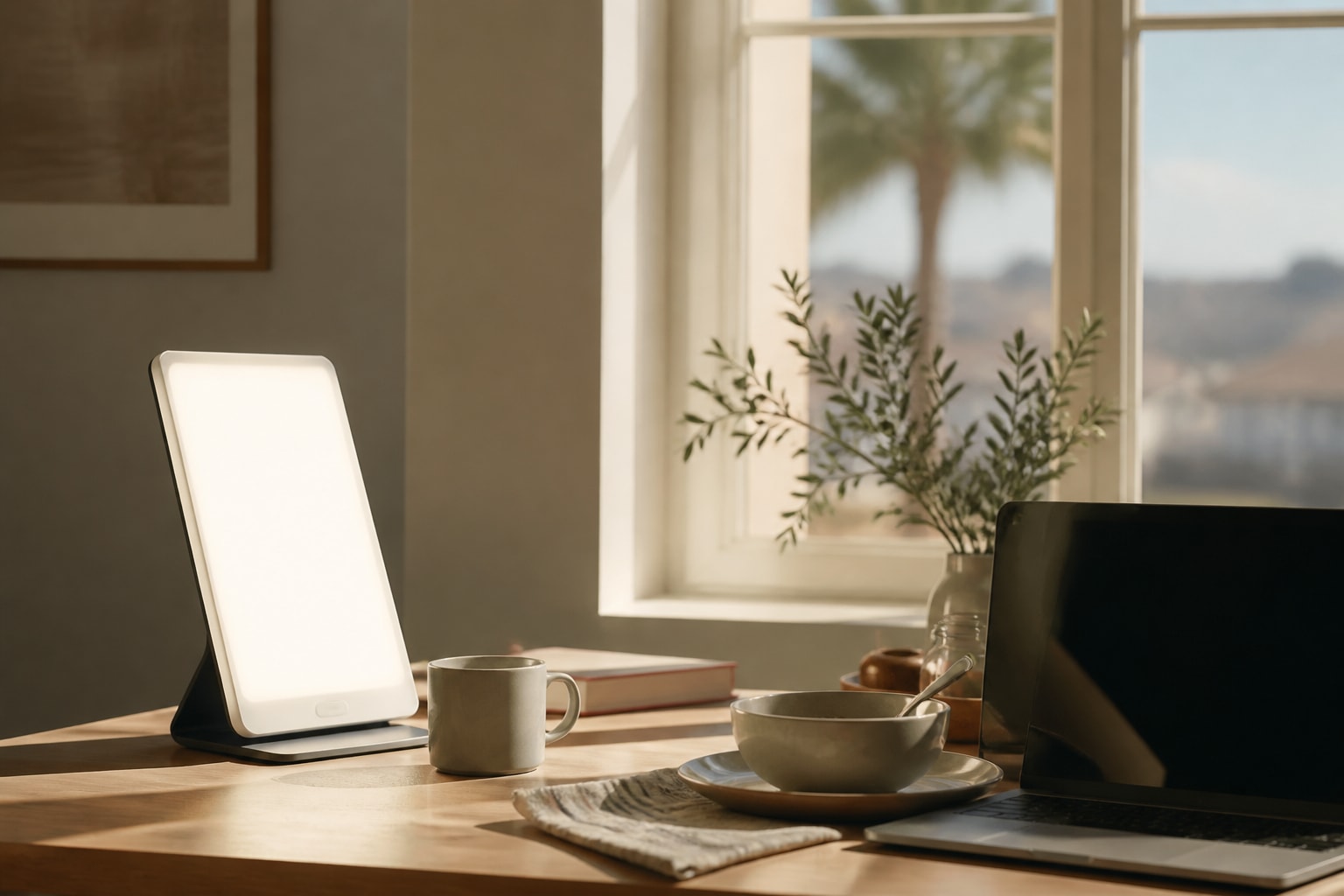
The best light therapy options for depression vary based on individual needs, living situations, and symptom patterns. Desktop models work well for morning routines, while adjustable floor lamps accommodate different settings throughout the day.
Treatment Protocols
Standard daily routine for light therapy:
Position the light box 16-24 inches from your face at a slight downward angle
Begin sessions within 30 minutes of waking for optimal circadian effects
Start with 15-20 minute sessions, gradually increasing to 30-45 minutes
Engage in normal activities during exposure (reading, eating breakfast, working)
Maintain consistency with daily timing to reinforce circadian entrainment
Positioning matters significantly for both safety and effectiveness. The light should enter your visual field without requiring direct staring at the source. Most individuals place devices slightly above eye level, allowing ambient light to reach the retina while they focus on other tasks.
Integration with Psychotherapy
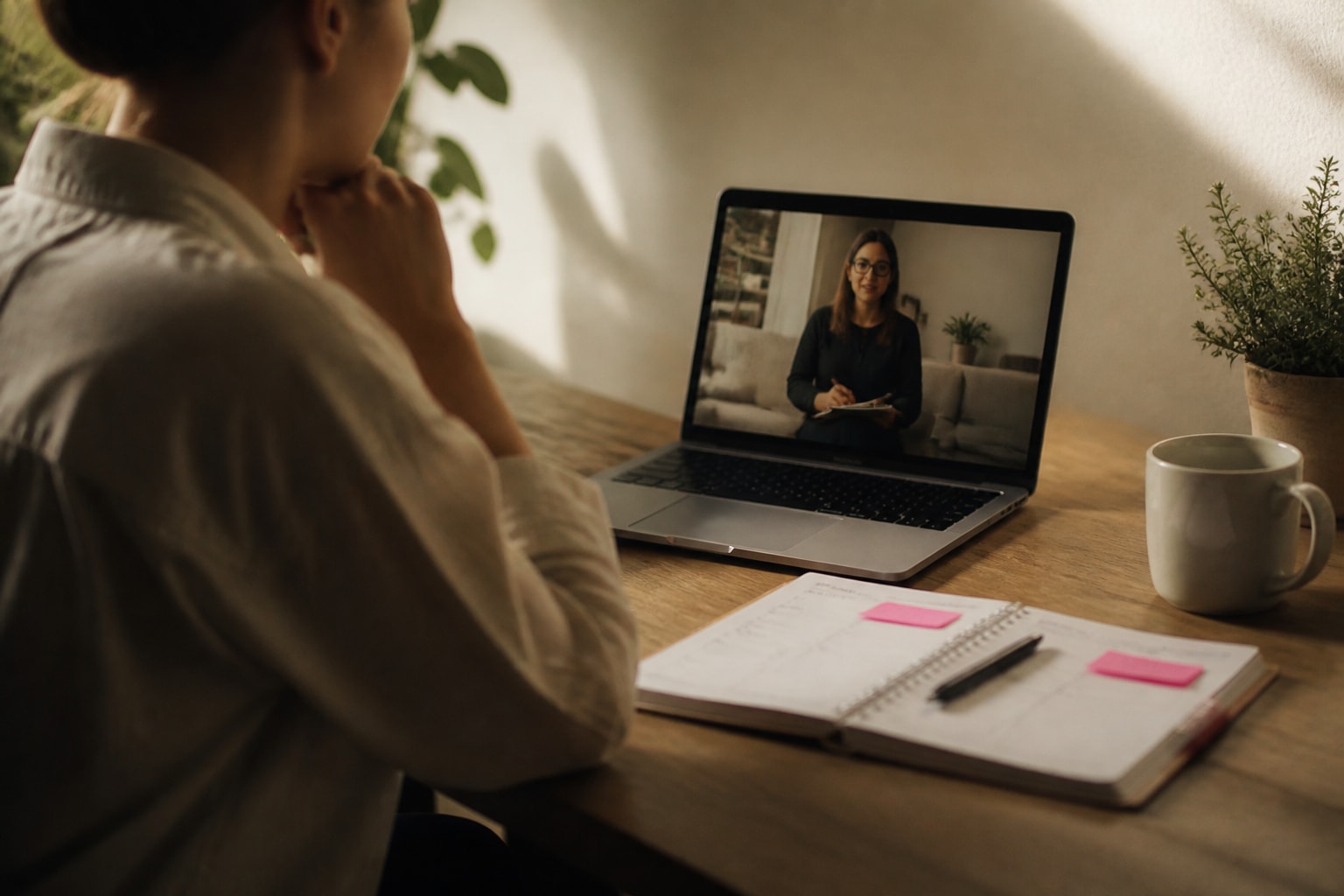
Light therapy for anxiety and depression works most effectively when combined with evidence-based psychotherapy approaches. The biological changes induced by light exposure create an enhanced foundation for therapeutic work, improving engagement and accelerating progress in treatment.
Many individuals find that light therapy reduces the severity of morning anxiety and improves motivation to participate in therapy sessions. This complementary relationship allows therapists to address underlying patterns while light therapy helps regulate the physiological components of mood and anxiety disorders.
For individuals exploring professional support, The Connection Room offers compassionate counselling that addresses the interconnected nature of relationships, environment, and mental health. Understanding how external factors like light exposure influence internal experiences enriches therapeutic work.
Professional guidance proves particularly valuable when implementing light therapy alongside ongoing mental health treatment. If you're seeking integrated care that considers both traditional and complementary approaches, scheduling a consultation allows you to discuss how different modalities might work together effectively.
Timing Considerations with Therapy Sessions
Morning light therapy often complements evening or midday therapy appointments. The improved mood stability and reduced anxiety throughout the day can enhance receptiveness to therapeutic interventions and homework assignments.
Some practitioners recommend coordination between light therapy timing and specific therapeutic techniques. For example, individuals working on cognitive therapy approaches for depression might use morning light sessions to improve cognitive flexibility before practicing thought restructuring exercises.
Safety Profile and Side Effects
Light therapy for anxiety and depression maintains a favorable safety profile compared to pharmacological interventions, though individuals should understand potential side effects and contraindications. Most adverse effects remain mild and transient, resolving with protocol adjustments.
Common Side Effects
Side Effect | Frequency | Management Strategy |
Headache | 15-20% | Reduce initial duration, increase distance |
Eye strain | 10-15% | Ensure proper positioning, take breaks |
Nausea | 5-8% | Use during or after meals, reduce intensity |
Agitation/hypomania | 2-5% | Monitor carefully, reduce exposure, consult provider |
The NHS guidance on seasonal affective disorder provides patient-friendly information about recognizing and managing side effects. Most individuals tolerate treatment well, experiencing only transient adjustment symptoms during the first week.
Contraindications and Precautions
Certain conditions warrant caution or medical supervision before beginning light therapy. Individuals with bipolar disorder face particular considerations, as excessive light exposure can potentially trigger hypomanic or manic episodes. Close monitoring and conservative protocols help mitigate these risks.
Situations requiring professional consultation:
History of bipolar disorder or mania
Retinal conditions or eye diseases
Photosensitizing medications (certain antibiotics, antipsychotics)
Skin conditions aggravated by light exposure
People taking medications that increase photosensitivity should discuss timing and protective measures with their healthcare providers. Some antidepressants and anti-anxiety medications may interact with intense light exposure, requiring dosage adjustments or modified protocols.
Response Patterns and Timeline
Understanding realistic expectations helps individuals assess whether light therapy for anxiety and depression provides meaningful benefit. Response patterns vary considerably based on symptom type, severity, and individual biological factors.
Initial Response Phase
Most individuals notice subtle changes within the first week, though significant symptom reduction typically requires two to four weeks of consistent use. Early improvements often manifest as better morning energy, reduced sleep latency, or decreased irritability rather than dramatic mood shifts.
Week-by-week progression:
Week 1: Improved sleep quality, easier morning awakening
Week 2: Reduced morning anxiety, better appetite regulation
Week 3: Enhanced mood stability, improved concentration
Week 4: Sustained symptom reduction, better stress resilience
Some individuals experience rapid response within days, while others require six to eight weeks for full therapeutic effects. Maintaining detailed symptom logs helps track subtle improvements that might otherwise go unnoticed.
Long-Term Maintenance
Sustained benefit from light therapy often requires ongoing daily sessions, particularly for individuals with seasonal patterns or chronic circadian disruption. Unlike some interventions that produce lasting changes after discontinuation, light therapy typically functions as a maintenance treatment.
Many people reduce session frequency during longer daylight months while maintaining daily protocols during fall and winter. This flexible approach allows adjustment based on symptom patterns and environmental light availability.
For those exploring various treatment modalities, understanding how light therapy compares to options like TMS therapy for depression or medication approaches helps inform comprehensive treatment planning.
Emerging Research and Alternative Light Modalities
Beyond traditional bright white light therapy, researchers explore various wavelengths and delivery methods. Photobiomodulation using near-infrared or low-level laser therapy represents one emerging area, with preliminary evidence for depression treatment showing promise through different biological mechanisms than conventional bright light.
Blue-Enriched Light Therapy
Blue wavelengths demonstrate particular potency for circadian regulation and mood effects. Specialized devices delivering concentrated blue light at lower overall intensity levels may provide equivalent benefits to traditional 10,000 lux white light boxes while reducing treatment time.
However, blue light therapy requires careful application due to potential sleep disruption if used inappropriately late in the day. The concentrated nature of blue wavelengths means timing becomes even more critical than with broad-spectrum approaches.
Dawn Simulation Technology
Gradual light intensity increases mimicking natural sunrise offer an alternative approach, particularly for individuals with morning anxiety or difficulty awakening. These systems work through gentler circadian phase shifting rather than acute bright light exposure.
Dawn simulators prove especially valuable for people who find traditional light box sessions uncomfortable or difficult to incorporate into morning routines. Response rates vary, with some research suggesting slightly slower onset but comparable ultimate efficacy.
Combining Light Therapy with Lifestyle Modifications
Light therapy for anxiety and depression produces enhanced results when integrated into comprehensive lifestyle approaches addressing sleep hygiene, exercise, nutrition, and stress management. These complementary strategies create synergistic effects that amplify therapeutic benefits.
Regular outdoor time supplements artificial light therapy, particularly during midday hours when natural sunlight remains bright even in winter. Brief outdoor breaks provide additional light exposure while offering movement and environmental enrichment benefits.
Exercise Timing Optimization
Coordinating physical activity with light therapy sessions may enhance outcomes through additive mood and anxiety benefits. Morning exercise immediately following light exposure leverages improved energy levels while providing additional circadian reinforcement.
Synergistic lifestyle strategies:
Morning light therapy followed by 20-30 minutes of outdoor walking
Consistent sleep schedule reinforcing light therapy's circadian effects
Strategic caffeine timing to avoid interference with evening melatonin production
Evening light reduction using blue-blocking glasses or dimmed lighting
For individuals working with therapists on comprehensive treatment plans, discussing how light therapy fits within broader behavioral changes ensures cohesive care. Many therapy approaches for depression incorporate behavioral activation principles that complement light therapy protocols.
Special Populations and Adaptations
Pregnant and postpartum individuals often experience heightened vulnerability to mood and anxiety symptoms influenced by circadian disruption. Light therapy for anxiety and depression presents a non-pharmacological option during pregnancy when medication concerns arise, though consultation with obstetric providers remains essential.
Children and Adolescents
Younger populations demonstrate responsiveness to light therapy, though protocols require modification for developmental considerations. Shorter initial sessions, engaging activities during exposure, and parental involvement support adherence in pediatric applications.
School schedules often complicate optimal timing, particularly for teenagers whose natural circadian phase delay conflicts with early morning light therapy recommendations. Weekend consistency and portable devices help maintain therapeutic exposure despite scheduling challenges.
Shift Workers
Individuals with non-traditional work schedules face particular circadian challenges contributing to mood and anxiety symptoms. Light therapy protocols for shift workers require customization based on specific schedules, often reversing typical timing recommendations.
Night shift workers may benefit from bright light exposure at the beginning of their work period with careful light avoidance before sleep. This counterintuitive approach helps shift circadian phase alignment with reversed sleep-wake patterns.
Cost Considerations and Accessibility
Medical-grade light therapy devices range from $50 to $500, representing a moderate initial investment compared to ongoing treatment costs. Insurance coverage varies significantly, with some plans covering devices prescribed for diagnosed seasonal affective disorder while excluding other applications.
Many individuals find that light therapy for anxiety and depression provides cost-effective long-term value, particularly when reducing medication needs or therapy frequency. The one-time equipment purchase contrasts with recurring prescription costs, though individual circumstances vary considerably.
DIY vs. Professional-Grade Equipment
Consumer-grade devices often lack standardized lux output measurements or adequate UV filtering. While less expensive options tempt budget-conscious individuals, inadequate intensity or poor spectral composition compromises therapeutic potential.
Professional-grade equipment from established medical device manufacturers ensures consistent output, appropriate wavelength distribution, and safety features. The incremental cost difference often proves worthwhile given the improved reliability and treatment effectiveness.
For those exploring various treatment options, understanding the full landscape from conventional approaches to alternative and complementary methods helps create informed, personalized treatment plans.
Monitoring Progress and Adjusting Protocols
Systematic symptom tracking enables objective assessment of light therapy effectiveness and guides protocol modifications. Standardized measures like daily mood ratings, anxiety scales, and sleep quality logs provide concrete data supplementing subjective impressions.
Essential tracking metrics:
Morning and evening mood ratings (1-10 scale)
Sleep onset time and wake time
Anxiety severity at consistent daily checkpoints
Energy levels and motivation
Side effects or adverse reactions
Weekly review of tracking data reveals patterns indicating treatment response or the need for adjustments. Some individuals respond optimally to morning sessions while others benefit from split protocols with additional afternoon exposure.
Professional guidance helps interpret tracking data and make informed adjustments, particularly when progress plateaus or symptoms worsen. Therapists familiar with light therapy applications provide valuable perspective on whether protocols require modification or additional interventions deserve consideration.
Light therapy for anxiety and depression offers a scientifically-supported, accessible approach that works through fundamental biological pathways regulating mood and emotional well-being. Whether used as a standalone intervention or integrated with psychotherapy and lifestyle modifications, proper implementation of light therapy protocols can provide meaningful symptom relief for many individuals struggling with anxiety and depression. CopeHouse Collective provides comprehensive online psychotherapy services that can help you develop an integrated treatment approach, including guidance on complementary strategies like light therapy tailored to your specific needs and circumstances.
Comments