Best Sad Therapy Light: How to Pick One That Works
The best SAD therapy light is a UV-free light box that delivers 10,000 lux at a comfortable sitting distance, has a large enough face to light your field of vision, and fits a morning routine you can keep up all season. Brand matters less than those specifications and your ability to use the lamp consistently. This guide explains what to look for, how to use a lamp safely, and when a light box alone is not enough.
What Makes a SAD Light Different From a Regular Lamp?
A SAD light is a medical-style light box that produces far more illumination than household lighting, filtered to remove ultraviolet radiation. A standard living room lamp typically provides far less intensity than light therapy requires, which is why swapping a bulb will not produce the same effect.
Light therapy works by exposing your eyes to bright light early in the day, which is thought to help regulate the circadian rhythm and the brain chemistry linked to mood. People with seasonal affective disorder often notice symptoms in fall and winter, when daylight shrinks. A lamp stands in for the morning sunlight that is missing.
Some products marketed as "sun lamps" or tanning devices emit UV light and are not appropriate for this purpose. A true therapy light filters UV out. If you want to compare approaches before buying, CopeHouse Collective's overview of sun therapy light covers how these devices differ.
Which Specifications Matter Most When Choosing the Best SAD Therapy Light?
Four specifications separate a useful light box from a decorative one: brightness, UV filtering, panel size, and certification.
Brightness: The NHS identifies 10,000 lux as the standard brightness to look for in a SAD lamp. Lux is measured at a specific distance, so check the distance printed on the box.
UV-free output: The same NHS guidance advises choosing a UV-free lamp with a UKCA or CE mark. For U.S. buyers, a clear UV-free statement and a reputable manufacturer are the practical equivalents.
Panel size: A larger face lets you move naturally while you eat, read, or work, and still receive light. Small panels force you to sit rigidly in position.
Adjustability: Dimming settings, tilt, and a stable stand make it easier to find a comfortable angle.
The Mayo Clinic notes that a typical SAD light box should deliver 10,000 lux, with exposure measured at the distance the manufacturer specifies. A lamp that reaches 10,000 lux only at two inches from the bulb is far less practical than one that reaches it at 16 to 24 inches.
Light Box, Lamp, Visor, or Bulb: Which Format Fits Your Life?
A flat light box is the best format for most people, while lamps, visors, and bulbs suit narrower situations. The right format depends mostly on where you will use it and how much movement your morning requires.
Format | Best for | Main drawback |
Flat light box | Desk, kitchen counter, or table use | Takes up surface space |
Compact lamp | Travel and small apartments | Smaller coverage area |
Wearable visor | People who cannot sit still | Less comfortable for some; fewer options |
Light therapy bulbs | Ambient room lighting | Often cannot reach 10,000 lux at a usable distance |
Do light therapy bulbs work? They can contribute to a brighter room, but most bulbs fall well short of the intensity delivered by a dedicated light box at normal sitting distance. If you choose bulbs, confirm the manufacturer's lux claim at a stated distance rather than relying on marketing language such as "full spectrum" or "daylight."
What Kind of Light Is Best for SAD?
Bright white light at around 10,000 lux, filtered to remove UV, is the type most commonly recommended for seasonal affective disorder. Bright white light is the format most commonly described in clinical guidance, and both the NHS and Mayo Clinic frame their advice around that 10,000-lux benchmark rather than around a particular color.
The distance at which a lamp reaches that benchmark matters as much as the number itself. Mayo Clinic specifies measuring exposure at the distance the manufacturer states, and its typical use guidance places the box about 16 to 24 inches (41 to 61 cm) from the face. A white light box that hits 10,000 lux at that range lets you sit comfortably at a table, while one that needs to be a few inches away becomes hard to use for a full session. Because the light should reach your eyes without you looking directly at it, a wide panel at arm's length is easier to live with than a small, intense source.
Blue-enriched or blue-white light is sometimes marketed as more effective, and some users find a cooler tone more alerting. Colored panels and red light products are a separate category. Red light panels are sold for skin and muscle uses, and they are not the standard recommendation for seasonal depression. If your goal is mood support in winter, a bright white UV-free light box is the better match, and CopeHouse Collective's guide to the best light for seasonal affective disorder goes deeper on the comparison.
What Light Therapy Is Used for Depression?
For seasonal depression, the standard approach is a daily morning session in front of a 10,000-lux light box. The National Institute of Mental Health describes sessions of about 30 to 45 minutes, usually first thing in the morning, from fall to spring. That seasonal window matters in practice. Most people start the routine as daylight shortens in the fall and continue until spring brings longer mornings, rather than using the lamp only on days that feel low.
Session length also depends on the lamp. Mayo Clinic's typical guidance is 20 to 30 minutes within the first hour after waking, and the box's rated distance determines how much light actually reaches your eyes. Following the manufacturer's stated distance and duration keeps the dose consistent from day to day. A common pattern is to place the box on the breakfast table and let the session run while you eat or read.
Light therapy is also studied for non-seasonal depression, sometimes alongside other treatment, and a clinician can help decide whether that applies to you. If you want a broader look at how light fits within a depression treatment plan, see CopeHouse Collective's article on the best light therapy for depression.
How Do You Use a SAD Light Correctly?
Use the light every morning, at the manufacturer's stated distance, for a consistent duration, and begin as soon after waking as you can. Timing and consistency matter as much as the lamp itself.
Place the light 16 to 24 inches from your face. The Mayo Clinic gives this range (41 to 61 cm) for typical use.
Start within the first hour after waking. The Mayo Clinic suggests 20 to 30 minutes in that window.
Keep your eyes open, but do not stare into the light. Let it reach your eyes indirectly while you eat breakfast, read, or check email.
Repeat daily from fall through early spring. Skipping days weakens the routine.
Adjust gradually. If you notice eye strain, headache, or jitteriness, reduce the session length or increase the distance, and check in with a healthcare provider.
Evening use can interfere with sleep for some people, so keep sessions in the morning. People with bipolar disorder, certain eye conditions, or those taking photosensitizing medications should speak with a physician before starting. The Mayo Clinic's diagnosis and treatment guide outlines when professional advice is appropriate.
What Features Are Worth Paying For?
A few extras make a daily habit easier to maintain, and the rest are optional. Spend on the features that remove friction from your morning.
Dimmable brightness settings let you ease in or adjust for sensitive eyes.
A built-in timer prevents guesswork on session length.
A stable stand with tilt keeps light aimed at your eyes from slightly above, which many people find more comfortable.
A clear warranty and return policy matters because comfort is personal. A panel that feels too harsh or too small is easier to swap when a return window exists.
Portability helps if you work in more than one spot or travel in winter.
Design and aesthetics are legitimate considerations. A lamp that blends into your space is more likely to stay on your counter and get used.
How Do You Know If a Light Is Working?
Many people who benefit notice gradual changes in energy, sleep timing, and mood over the first few weeks of consistent use, though individual responses vary. Tracking helps. A simple daily note on mood, energy, and sleep will show whether the pattern improves.
If you have used a properly specified lamp every morning for several weeks and symptoms persist or worsen, the lamp is probably not the full answer. Persistent low mood, loss of interest, changes in appetite, hopelessness, or thoughts of self-harm call for professional care rather than a better lamp. Seasonal depression often responds well to a combined plan, and CopeHouse Collective's article on light therapy for anxiety and depression explains how light and therapy can work together.
Why Pair a Light Box With Therapy?
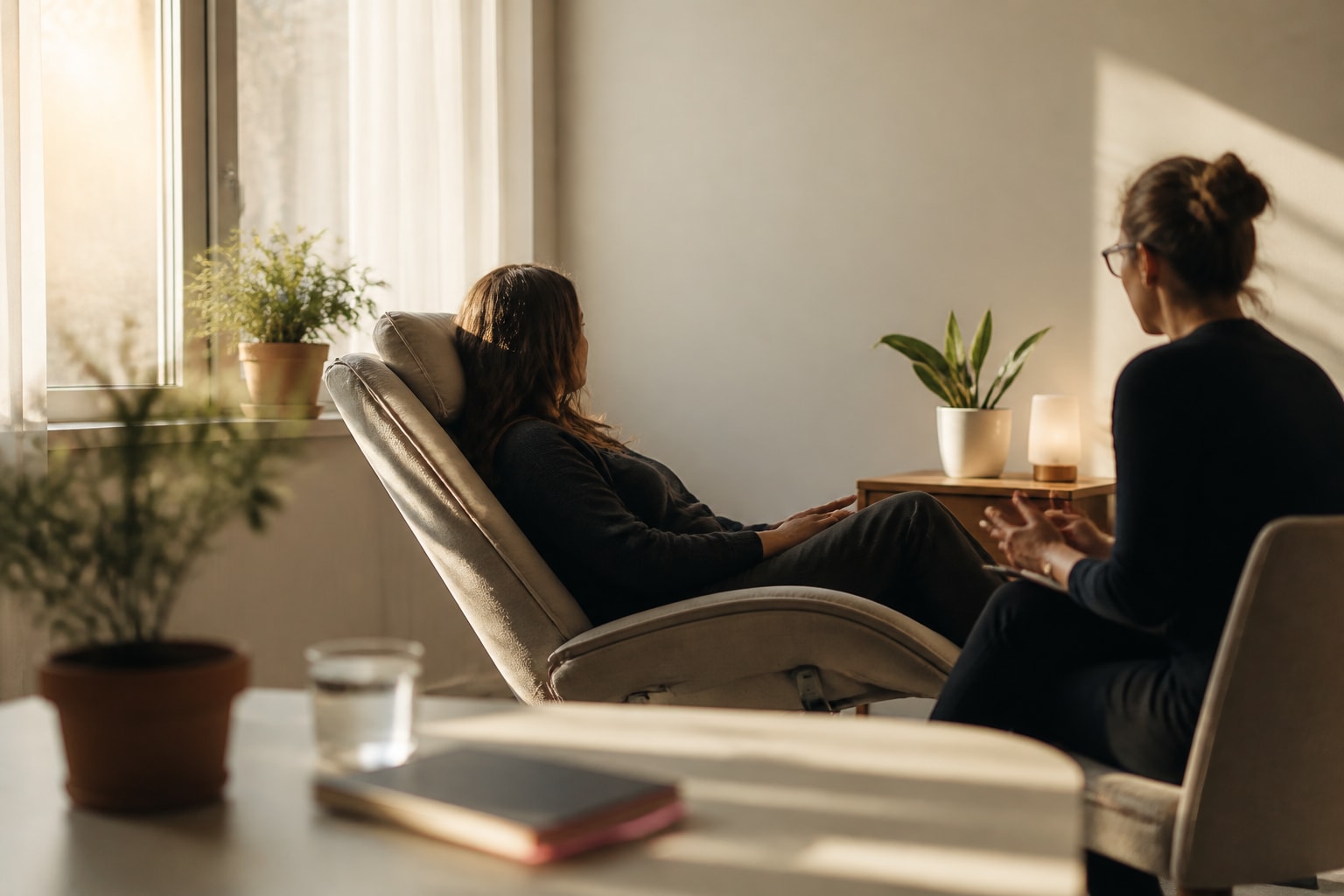
Light therapy addresses the biological side of seasonal depression, while psychotherapy addresses the thought patterns, behavioral withdrawal, and emotional history that often travel with it. Many people benefit most from doing both.
Cognitive behavioral approaches, for example, are well studied for seasonal depression and help people schedule activity and challenge the negative thinking that tends to deepen in winter. For adults who carry trauma, winter can also intensify isolation and stress responses, which makes a trauma-informed clinician especially useful. Approaches such as EMDR and somatic therapy can address the body's stress patterns, and CopeHouse Collective's page on EMDR therapy for depression explains how that works.
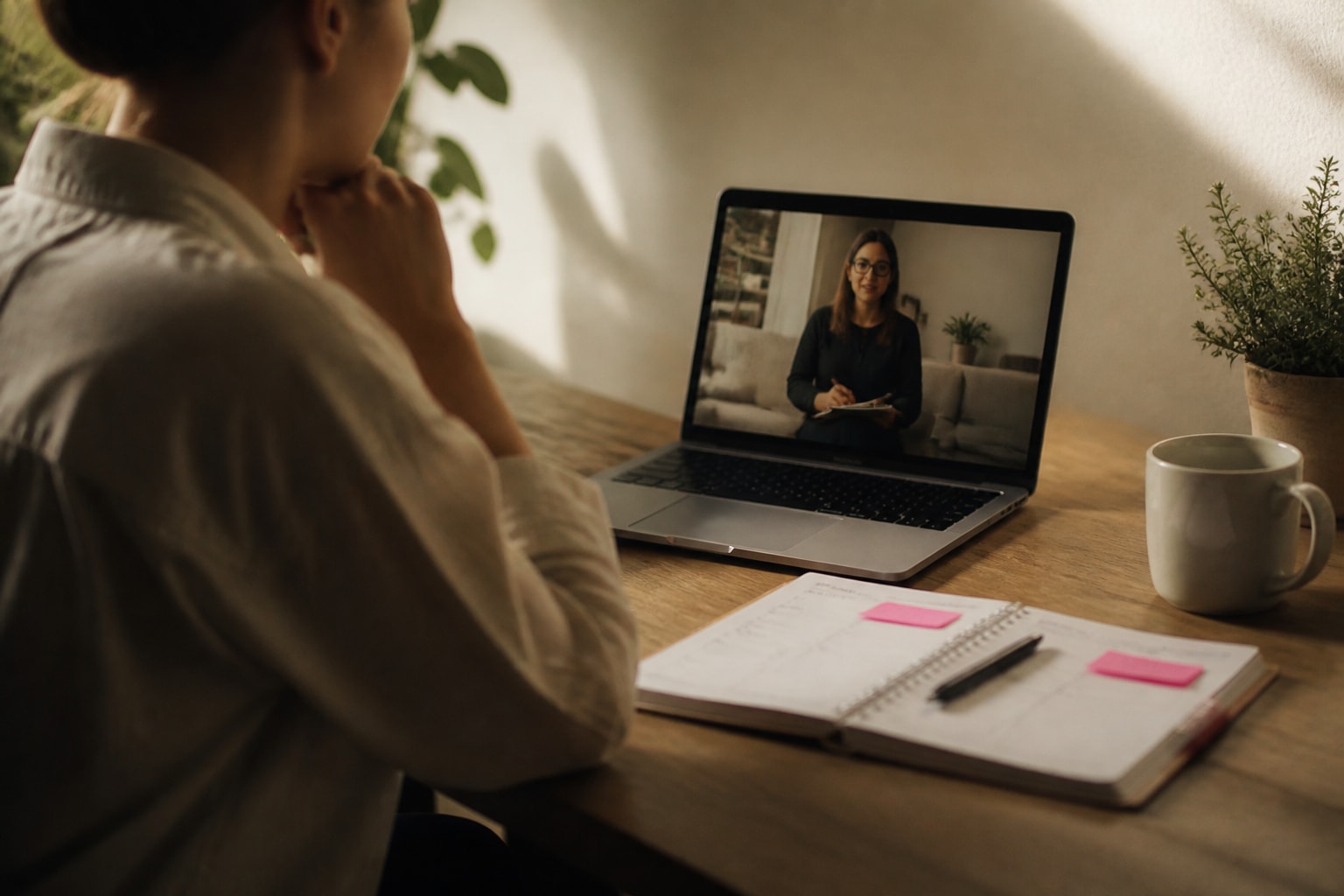
For LGBTQ+ and queer adults in California, working with a clinician who is affirming matters. Holiday seasons and family gatherings can bring added strain, and an affirming therapist can help you plan for it without needing to explain your identity first. CopeHouse Collective offers online psychotherapy with clinicians trained in trauma-informed methods and provides affirming care for LGBTQ+ and queer clients, with sliding-scale sessions available for those who qualify.
If you want to see whether a particular therapist fits, you can book a free consultation today and choose one or several clinicians to meet before committing.
FAQ
Do light therapy bulbs work as well as a light box?
Usually not. Most bulbs do not reach 10,000 lux at a practical sitting distance, so they act as brighter room lighting rather than a true therapy dose. A dedicated light box with a verified lux rating is the more reliable option.
Can I use a SAD light at night?
Evening use is generally not recommended because bright light late in the day can delay sleep. Morning sessions, ideally within the first hour after waking, fit the way light therapy is typically used.
Is a SAD lamp safe for everyone?
Most healthy adults tolerate light therapy well, but people with bipolar disorder, eye disease, or photosensitizing medications should talk with a physician first. Side effects such as eye strain or headache usually improve when you shorten the session or sit farther back.
If you are still deciding on a lamp, start by confirming a 10,000-lux rating at a stated distance, then set it up where you eat breakfast so the habit sticks. Light works best alongside support, and CopeHouse Collective's clinicians offer trauma-informed, LGBTQ+ affirming online therapy for California adults. You can book a free consultation today to meet a therapist, then reach out through CopeHouse Collective to get started on a winter plan that supports both your mood and your well-being.
Comments